

Introduction to the Dating App Landscape
In recent years, the dating app landscape has experienced a remarkable evolution, driven by advancements in technology, changing user preferences, and shifting societal norms. As we move into 2026, dating apps have become a mainstream form of social interaction, offering a convenient way for individuals to connect with potential partners. Statistics indicate a significant rise in the usage of these platforms, with a reported 30% increase in active users since 2021, underscoring their growing relevance in modern relationships.
The emergence of dating applications has revolutionized the way people approach dating. Unlike traditional methods that rely on chance encounters or social circles, dating apps provide users with a tailored experience, allowing them to filter potential matches based on various criteria such as interests, location, and relationship goals. This customization aligns with the increasingly busy lifestyles many individuals lead, making online dating a practical solution. As technology evolves, so too do the features that dating apps offer, enhancing user experience and engagement.
Experts suggest that the rise in dating app usage is not merely a reflection of individual behavior but also indicative of broader societal shifts. Dr. Jane Stevens, a noted sociologist, emphasizes that “the normalization of online interactions has led to a broader acceptance of digital romance, as people feel more comfortable initiating connections through their devices.” This perspective highlights the importance of understanding the psychological and sociological implications of dating apps within contemporary society.
As we look towards the future, it is evident that dating apps are not just a fad but a critical component of the dating ecosystem. The continuous integration of innovative features, such as virtual reality meetups and enhanced privacy settings, is likely to shape their future trajectory. In this context, understanding the dating app landscape is essential for anyone looking to navigate the complexities of modern relationships effectively.
The Criteria for Selecting Top Dating Apps
As the landscape of online dating continues to evolve, evaluating the best dating apps requires a systematic approach. Several criteria are essential for determining the effectiveness and appeal of these platforms. The user interface design is critical; an intuitive and aesthetically pleasing interface enhances the overall user experience. For instance, ease of navigation plays a significant role in keeping users engaged and satisfied, allowing them to connect with potential matches effortlessly.
Another essential factor is the target demographics of each app. Different dating apps cater to various age groups, orientations, and relationship preferences. Identifying an app’s primary audience helps users find a platform that aligns with their particular needs. This specificity is vital for fostering genuine connections, making it an important consideration when assessing dating apps.
Innovative features also significantly contribute to the selection of top dating apps. Many successful platforms incorporate unique functionalities such as video profiles, virtual dates, and compatibility algorithms, which enhance interaction and connection possibilities. These features not only differentiate apps from their competitors but also enrich the user experience, providing tools that facilitate meaningful engagement.
Safety measures are paramount in today’s online dating environment. The best dating apps implement stringent privacy policies, profile verification processes, and reporting mechanisms to ensure user safety. These features instill confidence among users, allowing them to pursue connections without compromising their security.
Finally, user satisfaction ratings compile the subjective experiences of app users. Encouraging feedback provides insights into the app’s effectiveness in facilitating successful matches and relationships. By considering these diverse criteria, users can better understand how various dating platforms serve their interests and anticipate which app might best suit their needs in a competitive market.
The Top 10 Dating Apps of 2026
As the landscape of online dating continues to evolve, 2026 has brought forth a myriad of applications designed to enhance the dating experience. Below is a comprehensive overview of the top ten dating apps leading the industry this year.
1. Tinder – A pioneer in the dating app arena, Tinder remains a favorite among millennials and Gen Z users. Its swipe-right-to-like feature maintains its popularity, supported by a user base exceeding 50 million globally. With personalized algorithmic matching and a successful launch of video profile features, it has recently been awarded ‘Best Mobile Experience’.
2. Bumble – Known for empowering women, Bumble allows female users to initiate conversations, making it a secure platform. With over 42 million users, it has seen a 30% increase in engagement rates this past year. User testimonials frequently cite successful long-term relationships formed through the app.
3. Hinge – “Designed to be deleted” is Hinge’s motto, and it prides itself on fostering serious relationships. The app boasts a user-friendly interface and is favored by young professionals, with a success rate of 75% for creating meaningful connections.
4. OkCupid – By utilizing a detailed questionnaire approach, OkCupid matches users based on compatibility, boasting over 50 million active users. Its innovative features, such as question-based matches, contribute to its recognition as a top choice for serious daters.
5. Match.com – Operating since 1995, Match remains unmatched in experience. With tailored matches based on personality and preferences, it has a high success rate and is known for hosting events to foster community engagement.
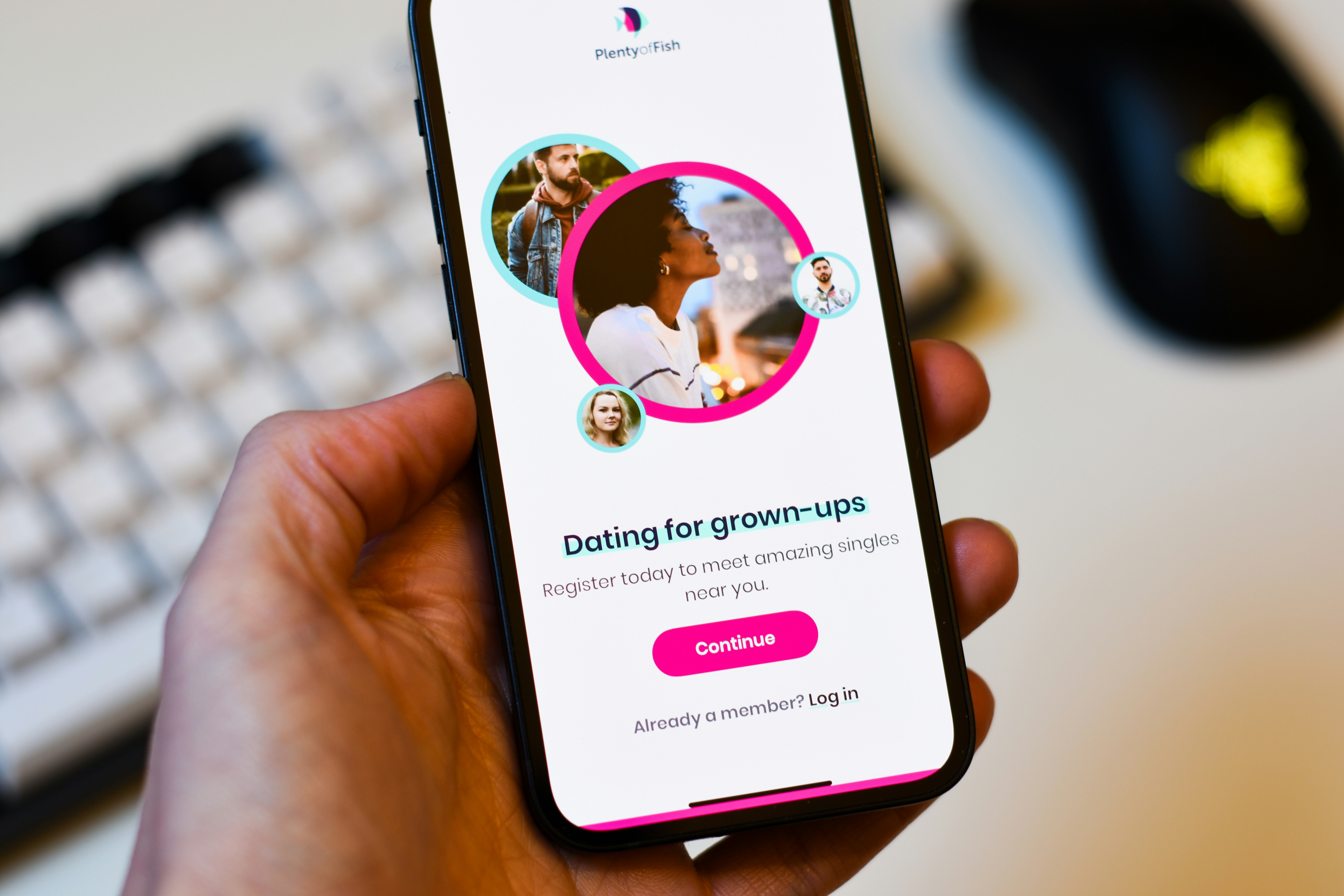
6. Plenty of Fish (POF) – POF is renowned for its extensive user feedback process, ensuring a tailored experience. Currently, it supports 15 million active users and offers features such as live video chats to enhance communication.
7. Coffee Meets Bagel – This app takes a unique approach by providing users with a limited number of matches each day based on their profile, cultivating quality interactions. With 16 million downloads, it continues to grow in popularity.
8. eHarmony – Focused on finding long-term relationships, eHarmony employs a scientific approach to vet compatibility among users. It claims that 438 users find love every day on their platform, clearly establishing a record of relationship success.
9. HER – An app specifically designed for LGBTQ+ women, HER has cultivated over 4 million users and hosts community events that promote inclusivity. User feedback highlights how it effectively facilitates connections among similar interests.
10. Zoe – Newly launched, Zoe caters to the Gen Z audience with gamification elements and entertainment-based interactions. Despite its recent entry into the dating market, it has quickly gained traction and favorable reviews for its innovative approach.
Each of these applications showcases unique features and innovative approaches to connecting people. The advancements in technology continue to enhance the effectiveness of dating apps, making them integral to modern relationship-building.
Future Trends in Dating Apps
As we look towards the future of dating apps, several trends are anticipated to reshape the landscape significantly by the time we reach 2026 and beyond. A prominent prediction is the integration of advanced technologies, particularly artificial intelligence (AI) and augmented reality (AR). AI algorithms are expected to become more sophisticated, enabling dating apps to offer highly personalized matches based on an in-depth understanding of user preferences and behaviors. This shift will aim to enhance compatibility scores, thereby improving user satisfaction and success rates in finding meaningful connections.
Augmented reality is also anticipated to play a transformative role in enhancing user interactions. Dating apps may incorporate features that allow users to engage in virtual dates in immersive environments. For instance, users might meet in a virtual café or explore virtual versions of local attractions, providing a more dynamic dating experience than traditional text or video interactions.
Another critical aspect that is likely to evolve is user safety. As concerns surrounding online dating continue to be a priority, developers are expected to implement enhanced safety features. This may include advanced verification processes, real-time monitoring of interactions, and AI-based tools that detect inappropriate behavior. Such measures aim to create a secure platform that fosters trust among users, potentially encouraging more individuals to engage in online dating.
In addition to technological advancements, the changing social dynamics and evolving user needs will also shape the functionality of dating applications. Younger generations, particularly Gen Z, are expected to seek authenticity in their interactions and may gravitate towards platforms that promote genuine connections over superficial engagements. As a result, dating apps will need to adapt by emphasizing inclusivity, mental health resources, and community-building features.